The occupational therapy is a health care practice. Occupational therapists take care of children with intellectual disability or motor handicap, of adults who had working accident and of the elderly and their special needs. Their responsibility is to help people solving problems that interfere with daily life. To resume, their goal is to help their patients become autonomous. They can work in different places such as hospitals, research centers, intermediate and long term care facilities, clinics, rehabilitation centers and more. The goal of this glossary is to share this career, and it's impact of people's life.
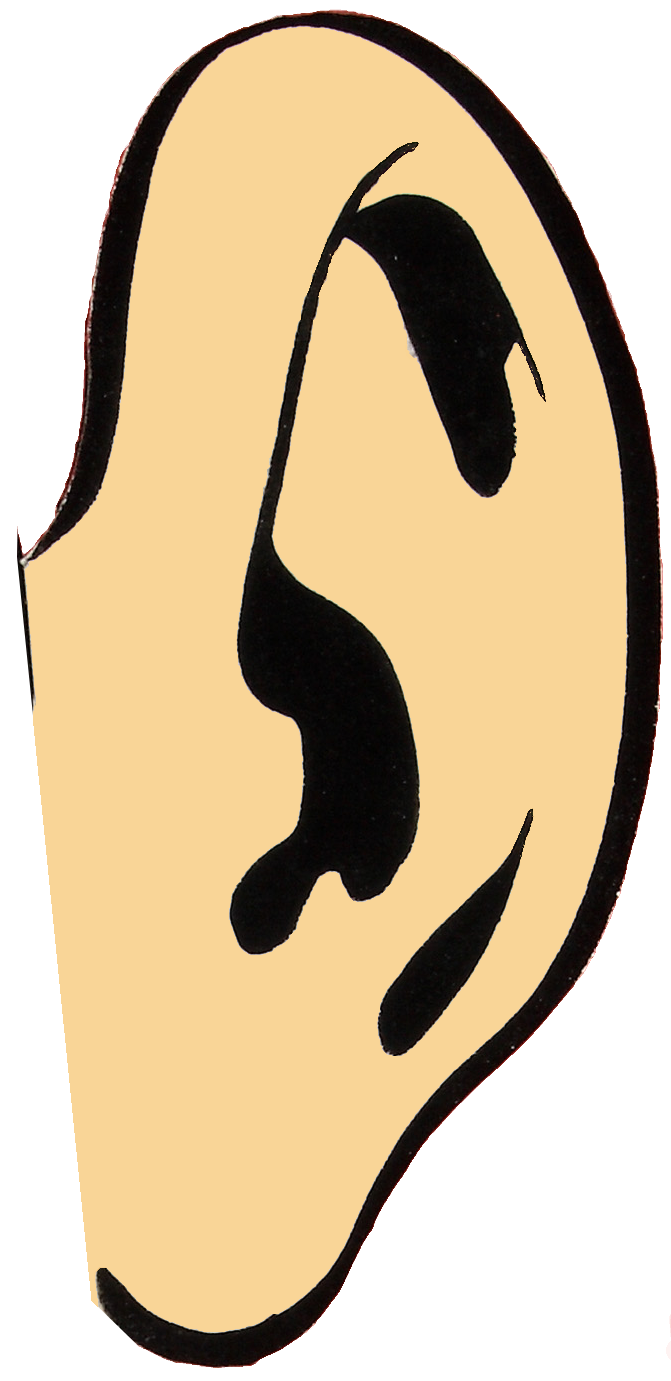
Auditory
Adjective
Relating to the sense of hearing.
Example: In the middle and later stages, problems in the temporal lobe might also cause some patients to experience AUDITORY and visual hallucinations.
en: Auditif
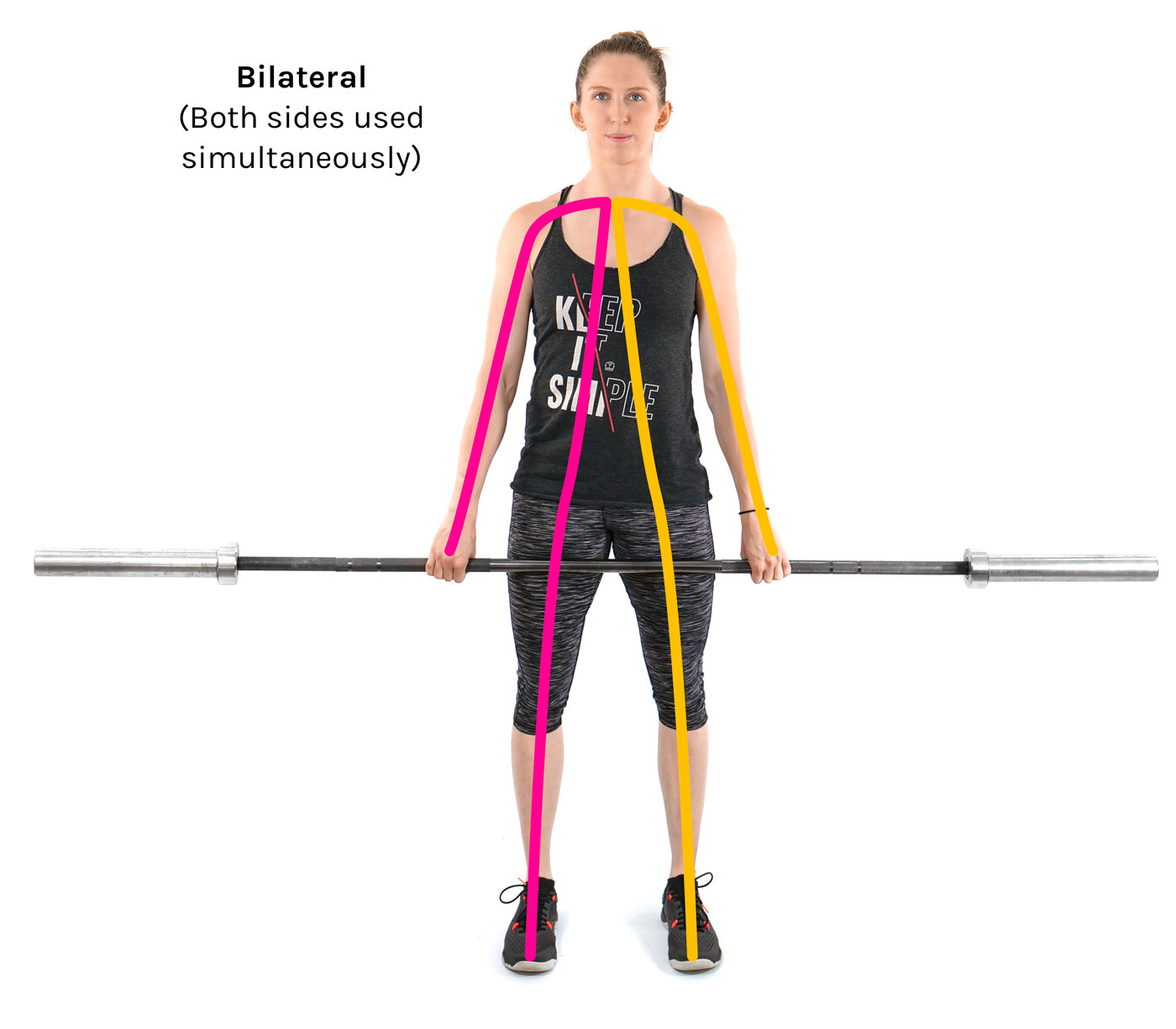
Bilateral
Adjective
Having or relating to two sides; affecting both sides.
Example: The commonest reported symptom of PID is uni BILATERAL lower abdominal pain.
en: Bilatéral
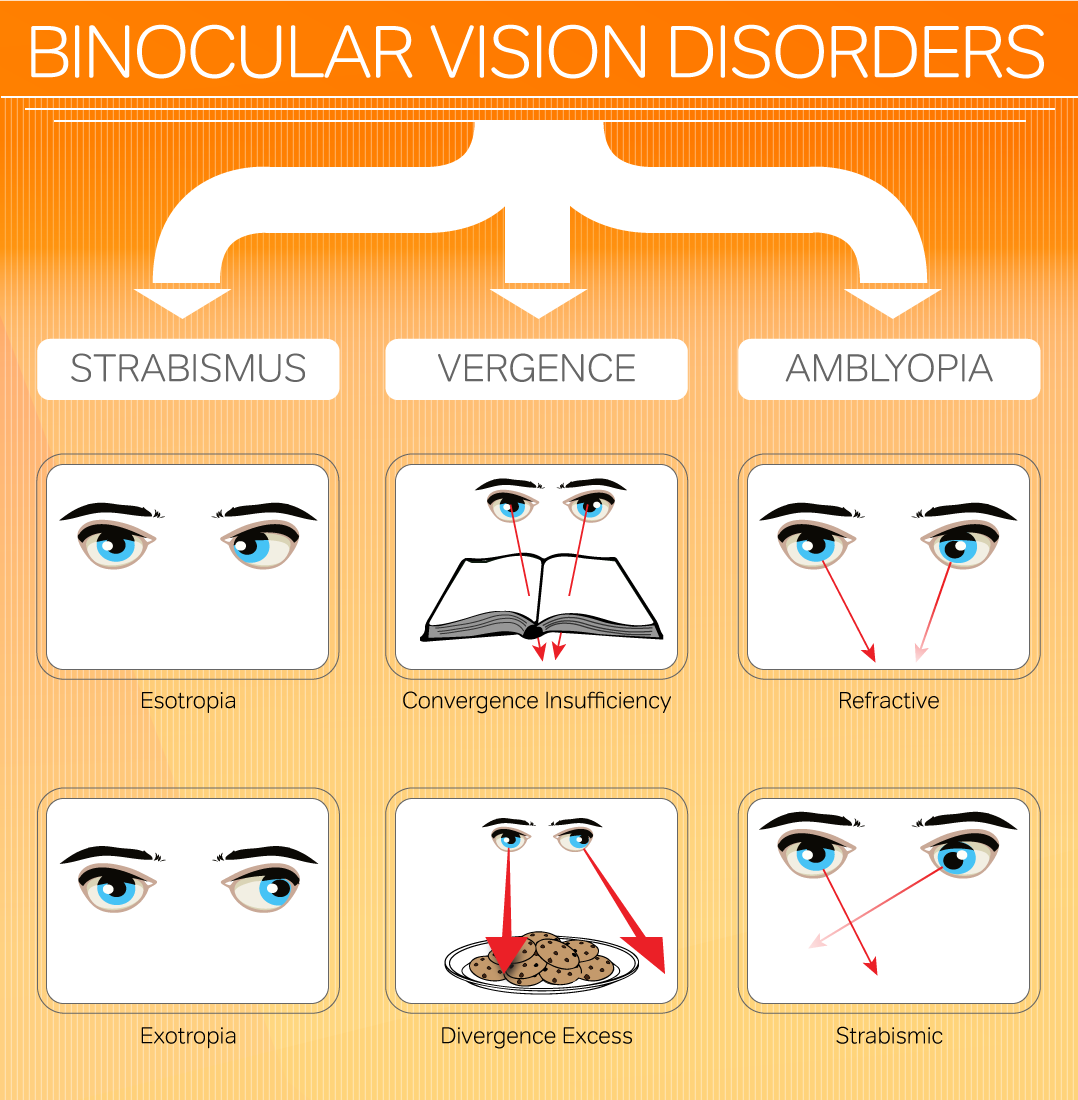
Binocular
Adjective
Adapted for or using both eyes.
Example: One important cue for depth comes from the fact that we have two eyes, and are thus BINOCULAR creatures.
en: Binoculaire
Coordination
Noun
The ability to use different parts of the body together smoothly and efficiently.
Example: The gymnast must develop strength, flexibility, COORDINATION, timing, rhythm, courage, discipline, persistence and the desire for perfection.
en: Coordination
Dyspraxia
Noun
Dyspraxia is a neurological disorder that impacts an individual's ability to plan and process motor tasks.
Example: Different tests of motor ability seem to affect different subgroups of children with SLI, for example, children with inconsistent phonological errors and verbal DYSPRAXIA performed worse on peg moving and motor accuracy tasks than those who had been found to make consistent phonological errors and those with phonological delay (Hill, 2001: 158).
en: Dyspraxie
Hypersensitivity
Noun
Extreme physical sensitivity to particular substances or conditions.
Example: Immune complexes are formed in joints and excite an inflammatory response, termed complex mediated HYPERSENSITIVITY.
en: Hypersensibilité
Hyporeactivity
Noun
The meaning of HYPOREACTIVE is having or showing abnormally low sensitivity to stimuli.
Example: Hyper- or HYPOREACTIVITY to sensory input or unusual interests in sensory aspects of the environment (e.g., apparent indifference to pain/temperature, adverse response to specific sounds or textures, excessive smelling or touching of objects, visual fascination with lights or movement).
https://behavioral-innovations.com/blog/types-of-sensory-issues-in-autism-examples-and-treatment-options/
en: Hyporéactivité
Kinesthesia
Noun
Awareness of the position and movement of the parts of the body by means of sensory organs in the muscles and joints.
Example: If your kiddo really struggles with KINESTHESIA, begin with poses that keep both feet on the ground and only move one body part at a time.
https://thesensorytoolbox.com/best-kinesthetic-activities-for-kids/
en: Kinesthésie
Laterality
Noun
The term LATERALITY refers to the preference most humans show for one side of their body over the other.
Example: Personal characteristics seem to be mainly determined by individual differences and experiences rather than handedness and brain LATERALITY.
en: Latéralité
Motor skills
Two nouns
A motor skill is a function that involves specific movements of the body's muscles to perform a certain task.
Example: Well-developed fine and gross MOTOR SKILLS are an essential component of a child’s readiness to write.
https://www.griffinot.com/motor-skills-for-handwriting/
en: Motricité
Muscle tone
Two nouns
Muscle tone is traditionally defined as 'the tension in the relaxed muscle' or 'the resistance, felt by the examiner during passive stretching of a joint when the muscles are at rest'.
Example: There can also be a loss of facial MUSCLE TONE and general difficulty in all motor efforts.
en: Tonus musculaire
Oscillation
Noun
Movement back and forth at a regular speed.
Example: A sliding sleeve placed around the tube was used to mark the amplitude of OSCILLATION at different frequencies.
en: Oscillation
Plasticity
Noun
The ability of the brain to change or to be changed as a result of activity, especially as one responds to sensations.
Example: It is ambiguous whether this should be understood as the result of adaptive PLASTICITY.
en: Plasticité (cérébrale)
Praxis
Noun
The ability to interact successfully with the physical environment; to plan, organize, and carry out a
sequence of unfamiliar actions; and to do what one needs and wants to do. Praxis is a broad term denoting
voluntary and coordinated action.
Example: Limb PRAXIS in SLI When testing for limb PRAXIS children are generally being tested on familiar and unfamiliar gestures which sometimes require the use of a prop (transitive gestures) (Hill, 2001: 159).
en: Pratique
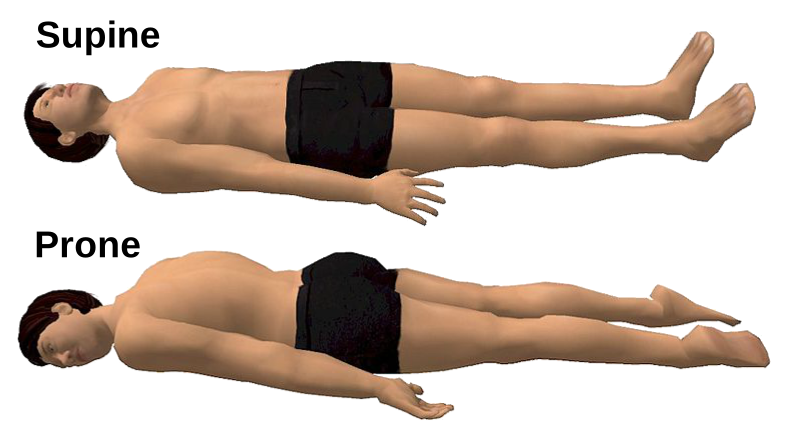
Prone
Adjective
Lying flat, especially face downward.
Example: The response to PRONE position was variable in children with acute respiratory distress syndrome. https://pubmed.ncbi.nlm.nih.gov/28328787/
en: À plat ventre
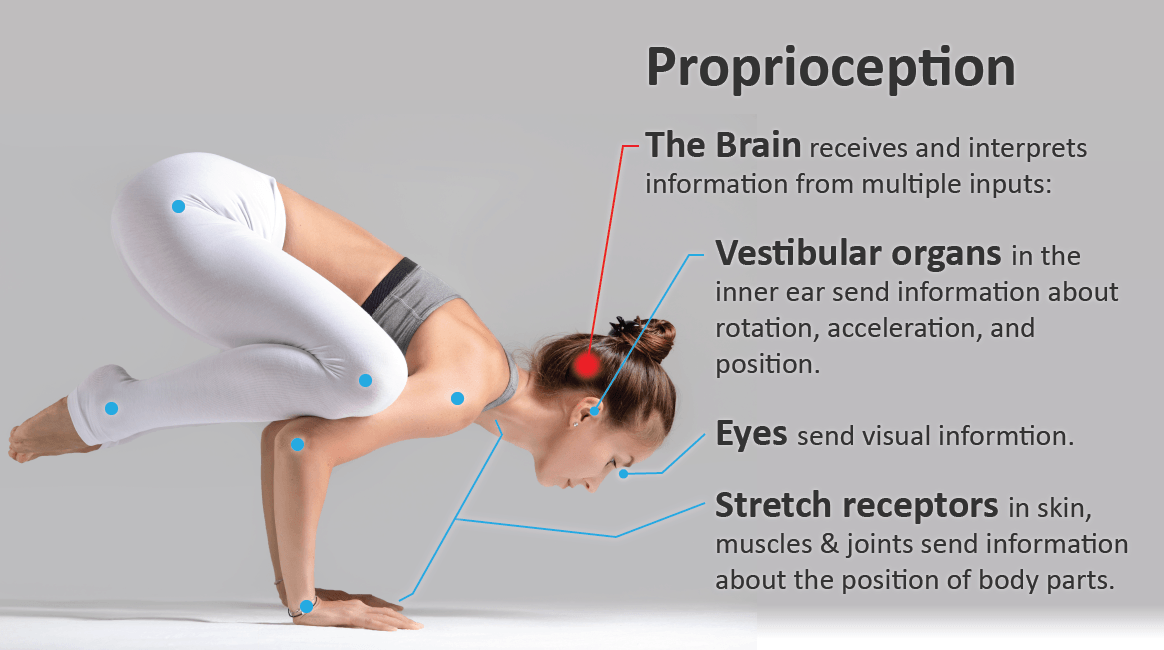
Proprioception
Noun
Perception or awareness of the position and movement of the body.
Example: As the fibula is involved in maintaining the stability of the ankle joint, balance training and PROPRIOCEPTION are also an important part of rehabilitation.
en: Proprioception
Psychomotricity
Noun
Psychomotricity focuses on prevention, screening and rehabilitation of psychomotor disorders at all stages of life. It links the body and psyche.
Example: The term PSYCHOMOTRICITY unites two fundamental entities for the growth of a child in developmental age: the movement and design study behind it.
en: Psychomotricité
Rehabilitation
Noun
The process of restoring a person's ability to live and work as normally as possible after a disabling injury or illness.
Example: Gibbon (2002) highlights that inability to independently perform ADLs should not be regarded as a permanent state in patients following stroke as REHABILITATION can be inhibited by doing things for patients rather than assisting them to do what they can.
en: Réadaptation
Sensorial
Adjective
Of or relating to sensations or sensory impressions.
Example: The experimental music pioneer Pauline Oliveros foresaw how a SENSORIAL approach to music and listening could cultivate politically dynamic thinking.
en: Sensoriel
Sensorimotor
Adjective
The meaning of SENSORIMOTOR is of, relating to, or functioning in both sensory and motor aspects of bodily activity.
Example: Appropriate progression will strengthen the SENSORIMOTOR patterns and achieve desired modification of the child's Sound Pattern Template (Lancaster & Pope, 1989, cited in Grundy & Harding, 1995).
en: Sensorimoteur
Supine
Adjective
Person lying face upward.
Example: Children are now undergoing modification with the use of orthotic devices to correct certain deformities, including unintentional parietal flattening causing plagiocephaly due to their SUPINE sleeping position.
en: Étendu sur le dos
Vestibular
Adjective
Relating to a vestibule, particularly that of the inner ear, or more generally to the sense of balance.
Example: The study also showed the results of psychomotor testing (Figure 3.6.2) on rod walking (which measured psychomotor coordination and the integrity of the VESTIBULAR system) and accelerating rotarod tasks (which measures fine motor coordination, balance, and resistance to fatigue).

:max_bytes(150000):strip_icc()/Developmental-dyspraxia-5203067_final-a6dee0919b7044a38510ccb1f5f85088.jpg)


/180845308-56a59d5f5f9b58b7d0dda79c.jpg)




:max_bytes(150000):strip_icc()/what-is-brain-plasticity-2794886-01-cb68ba43ed534fb4b220ff86bf28a0e4.png)



/2795462-sensorimotor-stage-of-cognitive-development-5b0db0bc8023b90036ee501a.png)
